
Minesweeper - Minesweeper Guide | Philwin
Minesweeper is a clue-led cards game where each careful reveal narrows the safe path. On Philwin, the fastest way to understand the board is to begin with a Minesweeper Demo, read every number, and choose a stake only after the decision flow feels clear.
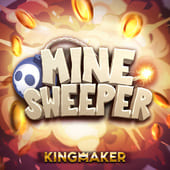
The philwin Minesweeper experience is built for short, focused rounds rather than rushed guesses. The image below opens the official play route through the same Philwin promotion function used throughout the site.
More Minesweeper choices for cards game players
These compact cards game choices use the names, types, and images in the Philwin catalogue. A local detail page stays a normal internal link; Cards Hi Lo has no listed detail page and therefore uses the official promotion action.



Minesweeper: a simple route from scan to safe reveal
The reliable way to play Minesweeper is to separate observation from action: inspect the clue, mark what is known, then reveal only a square supported by that clue. A Minesweeper Demo lets a new player rehearse this rhythm without confusing speed with skill.
1. Enter with a clear limit. Open the philwin Minesweeper page through the site play control, choose a comfortable session limit, and treat that limit as part of the rules. The philwin ph audience can use a small first session to learn the board rather than trying to recover a loss.
2. Read the first area. The opening reveal creates information. In Minesweeper, a number tells you how many mines touch its surrounding squares; it does not promise a prize or identify one square by itself. Use the Minesweeper Demo until counting adjacent cells feels automatic.
3. Mark and reveal. Mark a suspected mine, then compare that mark with nearby numbers. Reveal a square only when the local clues support it. If the board offers no certain move, pause instead of forcing an attractive guess.
4. Stop deliberately. A cleared area is a useful result even when a round ends. Record which clue pattern helped, close the round when the limit is reached, and return later only with a fresh decision process. This makes the philwin Minesweeper routine easier to review.
Minesweeper questions players ask before starting
Minesweeper is easiest to approach when the board rules and the account route are understood before the first paid decision. The answers below keep a Minesweeper Demo, philwin Minesweeper, and responsible participation in their proper roles.
What is Minesweeper?
Minesweeper is a grid-based cards game of deduction. Numbered cells show nearby mine counts, while blank cells can open a wider area. The goal is to identify safe reveals from available information, not to click as quickly as possible.
Is the Minesweeper Demo useful for beginners?
Yes. A Minesweeper Demo is useful for learning the interface, the mark control, and the meaning of adjacent numbers before choosing a live route. It teaches process; it cannot change random outcomes or guarantee a result.
What does philwin Minesweeper cost to try?
The page does not promise a fixed cost, return, or jackpot. Check the active game information and select only a limit you can afford before using the philwin Minesweeper route. If terms are unclear, do not proceed until support or the displayed rules answer the question.
Can I use a phone for Minesweeper?
Yes, the responsive Philwin layout is designed for a phone-sized screen. Keep the device upright, use the visible controls, and leave enough time to read each clue. The philwin app login route should always be reached through the official site controls rather than an unknown message.
Does a clue guarantee a win?
No. A clue can make a particular reveal logically safe, but no single Minesweeper decision guarantees a winning round. A Minesweeper Demo and a cautious limit improve understanding, not probability.
When should I stop?
Stop when the time or money limit is reached, when attention drops, or when the urge to chase a result replaces clear reading. A calm stop is part of good Minesweeper play.
Check the official Philwin access route when you are ready to review the current game information.
Minesweeper habits that make each decision clearer
The strongest Minesweeper advantage is disciplined information use, not a bigger stake. Start with the Minesweeper Demo, keep the philwin Minesweeper session short, and use these practical habits to protect attention and budget.
- Count the whole neighbourhood. Check every adjacent square, including diagonals. A number is useful only when all of its surrounding cells have been considered.
- Separate facts from guesses. A marked cell is a working assumption until nearby clues confirm it. Do not let one uncertain mark control an entire board.
- Prefer connected information. When two clues overlap, compare their remaining unknown cells. The difference between the two counts can identify a safer choice than a single clue can.
- Use a pause as a tool. Put the phone down after a difficult reveal, then return to the board with the same limit. The philwin Minesweeper experience should stay deliberate.
- Review patterns, not outcomes. A successful guess is not automatically good technique, and an unlucky reveal is not automatically bad technique. Ask whether the available clues supported the choice.
- Keep promotions separate from decisions. A welcome offer may change account terms, but it does not change what a number means in Minesweeper. Read conditions before accepting any offer.
For a change of pace, the same measured approach can help when browsing Midas Fortune; the link is a normal site page, not a replacement for the Minesweeper rules.
Read each Minesweeper board as a probability puzzle
Minesweeper rewards a repeatable decision tree: establish what the clue proves, identify what remains unknown, and choose the lowest-uncertainty action. The philwin Minesweeper route is most useful when the player keeps this strategy ahead of excitement.
Begin at the edge of an opened region and work toward overlaps. If a clue shows one mine and one neighbouring cell is already marked, the other unknown neighbours can be treated as safe under that local pattern. If the arithmetic does not resolve the area, preserve the uncertainty and inspect another region rather than inventing certainty.
Use a three-column mental note: known safe, known mine, and unresolved. Update the note after every reveal. This makes the Minesweeper Demo a genuine learning aid and keeps a live round from becoming a chain of emotional guesses.
When two possible squares appear equally supported, the best strategy may be to pause or end the round. No philwin Minesweeper copy, app screen, or promotion can turn an unresolved choice into a guaranteed outcome. Always check the current displayed rules and account terms before continuing.
Players who enjoy comparing different formats can read Treasures Of Aztec or Mahjong Ways 2 through their normal internal pages. Those links are separate browsing choices; they do not alter the Minesweeper board or its clues.
Open Philwin game access only after setting a personal limit and confirming that the displayed information is suitable for you.
Minesweeper in five calm, repeatable steps
The complete Minesweeper routine is short: set a limit, practise, read, verify, and stop. Following the same order makes the philwin Minesweeper page easier to use on both a phone and a larger screen.
- Set the boundary: decide your time and budget before opening a round.
- Practise first: use the Minesweeper Demo to learn reveals, marks, and adjacent counts.
- Read before tapping: map known safe cells and suspected mines from the available clues.
- Choose or pause: act only when the information supports the action; unresolved odds are a reason to wait.
- Finish cleanly: stop at the boundary and review the decision process without chasing an outcome.
This summary is the practical answer for anyone searching for Minesweeper on Philwin: learn the board in a Minesweeper Demo, use the official philwin Minesweeper access path, and keep every decision within a clear personal limit.